
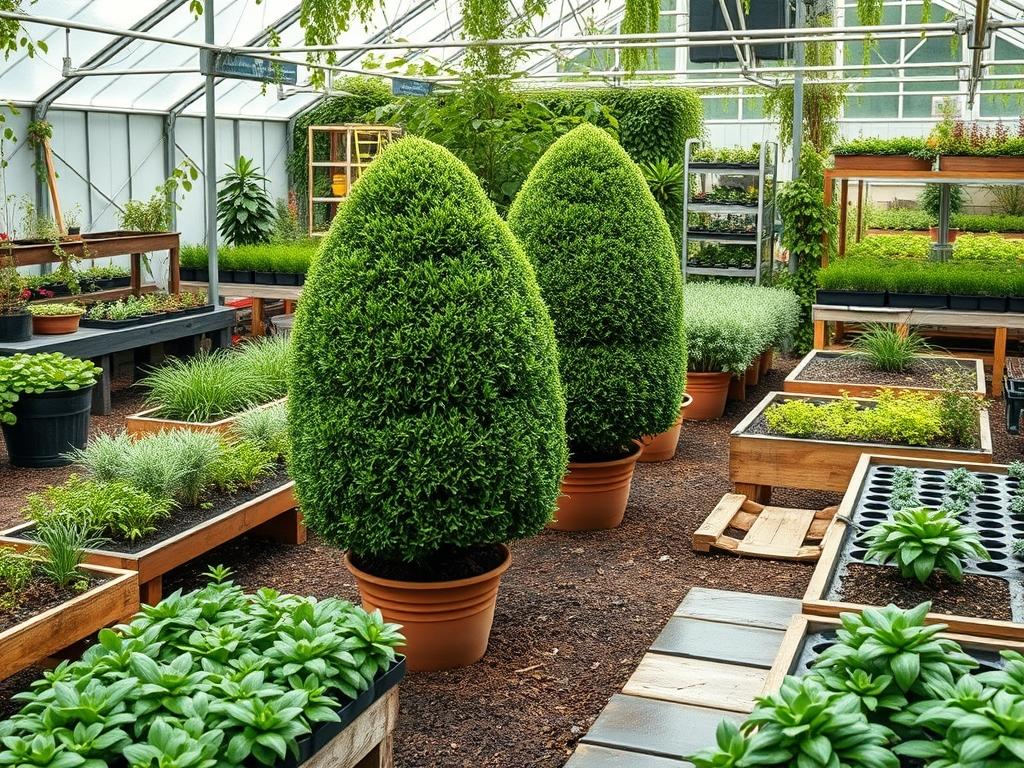
The architectural weight of a landscape often rests upon its structural evergreens; among these, the genus Buxus stands as the premier choice for professional designers. Boxwood topiary shaping provides a unique opportunity to bridge the gap between static hardscaping and fluid botanical growth. While many homeowners view these plants as simple hedges, a senior landscape architect sees them as living sculptures that define the geometry of an outdoor room. The primary challenge lies in balancing the aesthetic desire for crisp, clean lines with the biological needs of the plant. In diverse climates, from the humid southeast to the temperate mid Atlantic, maintaining the density and color of a topiary requires a deep understanding of horticultural precision. Proper shaping enhances curb appeal by providing year round structure; even in the depths of winter, the silhouette of a well maintained topiary provides visual interest when deciduous plants have faded. Effective garden planning treats the boxwood not just as an ornament, but as a functional tool to direct movement, frame views, and establish a sense of permanence within the shifting seasonal landscape.
Landscape Design Principles
In professional landscape architecture, the application of Boxwood Topiary Shaping is governed by the principles of symmetry and focalization. A single, perfectly sheared Buxus sempervirens sphere can act as a powerful focal point at the terminus of a long walkway, drawing the eye through the space. Conversely, symmetrical pairings at the entrance of a residence create a formal, welcoming atmosphere that signals a high level of property maintenance. We often use elevation layers to create depth. By placing taller, pyramidal forms in the background and low, rounded spheres in the foreground, we establish a forced perspective that makes smaller gardens feel significantly deeper than their physical dimensions allow.
Another critical principle is the integration of topiaries with hardscaping. A rigid, geometric boxwood cube provides a striking contrast against the soft, organic texture of native grasses or trailing perennials. When planning these installations, the relationship between the plant and the surrounding irrigation system must be prioritized. Topiaries are often placed in high visibility areas where soil compaction is frequent due to foot traffic. To counter this, designers should incorporate wide mulch beds or stone borders that protect the root zone while highlighting the plant’s shape. Visual balance is achieved when the scale of the topiary matches the architectural proportions of the home. A massive Georgian estate can handle large, six foot spirals, whereas a modern ranch style home might benefit more from a series of subtle, low profile clouds.
Plant and Material Selection
Choosing the correct variety is the foundation of any successful shaping project. Not all boxwoods are created equal; some are genetically predisposed to vertical growth, while others naturally spread into low mounds.
| Plant Type | Sun Exposure | Soil Needs | Water Demand | Growth Speed | Maintenance Level |
| :— | :— | :— | :— | :— | :— |
| Buxus ‘Green Mountain’ | Full Sun to Part Shade | Well drained, Loamy | Moderate | Moderate | High (Pyramids) |
| Buxus ‘Green Velvet’ | Full Sun to Part Shade | Slightly Acidic to Neutral | Moderate | Slow | Medium (Spheres) |
| Buxus ‘Suffruticosa’ | Part Shade | Rich, Moist, Well drained | High | Very Slow | High (Edging) |
| Buxus ‘Justin Brouwers’ | Full Sun to Part Shade | Deep, Well drained | Low to Moderate | Slow | Low (Small Rounds) |
| Buxus ‘Dee Runk’ | Full Sun to Part Shade | Standard Garden Soil | Moderate | Fast (Vertical) | Medium (Columns) |
Implementation Strategy
The successful implementation of a topiary garden begins with a precise grading plan. Before a single hole is dug, the site must be evaluated for drainage efficiency. Boxwoods are notoriously susceptible to root rot if left in standing water; therefore, the planting site should be slightly elevated above the surrounding grade. Once the site is prepared, create a layout using marking paint or string lines to ensure perfect alignment, especially when creating a parterre or a matched pair of specimens.
When planting, the hole should be twice as wide as the root ball but no deeper. High quality organic compost should be blended with the native soil to provide a nutrient rich start. For shaping, the initial pruning should occur when the plant is young to establish the “skeleton” of the desired form. Use bypass pruners for selective thinning and manual hedge shears for surface leveling. Avoid electric shears for the first few years, as they can be too aggressive and limit the internal airflow necessary for long term health. Apply a 3 inch layer of hardwood mulch, ensuring it does keep a distance of at least two inches from the trunk to prevent moisture related bark decay. If the design includes retaining walls, ensure the irrigation lines are tucked behind the wall and away from the plant’s primary crown to avoid oversaturation.
Common Landscaping Failures
The most frequent failure in Boxwood Topiary Shaping is improper spacing. Designers often overlook the eventual girth of the plant, leading to root overcrowding and poor air circulation. This lack of airflow creates a microclimate conducive to boxwood blight and fungal infections. When plants are jammed together to create an “instant” hedge, they often compete for nutrients, leading to yellowing foliage and stunted growth.
Another significant error involves irrigation inefficiencies. Overhead watering is a primary culprit for leaf diseases. Professional systems should utilize drip irrigation at the base of the plant to keep the foliage dry while delivering moisture directly to the root zone. Furthermore, soil compaction from heavy construction equipment or frequent mowing can suffocate the roots. If the soil is not properly aerated before planting, the boxwood will fail to thrive regardless of the pruning technique used. Finally, many gardeners prune too late in the autumn. This stimulates a flush of tender new growth that does not have time to harden off before the first frost, leading to severe winter kill and a ragged, unsightly appearance in the spring.
Seasonal Maintenance
Maintenance is a year round commitment that changes with the sun’s arc. In the Spring, the focus is on thinning. This involves removing a small percentage of outer branches to allow light and air to reach the interior of the plant. This is also the time for a slow release balanced fertilizer and a fresh application of mulch.
During the Summer, maintenance shifts to light tipping. As the plant puts on its seasonal growth, use sharp shears to maintain the crisp edges of the topiary. However, avoid heavy pruning during extreme heat waves, as this can cause sunscald on previously shaded interior leaves.
In the Autumn, the goal is stabilization. Check the irrigation schedule and gradually reduce water as the plant enters dormancy. Ensure that any retaining walls or edging are clear of debris that could Harbor pests over the winter.
Finally, in the Winter, protection is key. In regions with heavy snowfall, large topiaries may need to be wrapped in burlap or supported by internal frames to prevent branches from splaying under the weight of ice. This is also the period to inspect the structure of the plant and plan the major structural cuts for the following spring.
Professional Landscaping FAQ
How often should I shear my boxwood to keep its shape?
For a crisp, formal look, most Buxus varieties require two major prunings per year. The first should occur in late spring after the initial growth flush, and the second should take place in mid summer to tidy up stray stems.
What are the best tools for detailed topiary work?
Professional results require high quality bypass pruners for internal thinning and manual straight blade shears for surface shaping. For intricate designs like spirals or animals, topiary frames or templates made of wire can provide the necessary guidance for precision.
Can I grow boxwood topiaries in containers?
Yes, boxwoods thrive in well drained containers. Ensure the pot provides adequate space for the root system and use a high quality potting mix. Potted specimens require more frequent irrigation and regular fertilization than those planted in the ground.
Why is the interior of my boxwood turning brown?
This is often caused by a lack of light and airflow. Professional Boxwood Topiary Shaping includes “thinning cuts” that remove small chunks of the outer canopy. This practice allows sunlight to reach the center, promoting green growth throughout the plant.
How do I prevent boxwood blight in my landscape?
Maintain strict hygiene by disinfecting tools between plants. Always use drip irrigation rather than overhead sprinklers to keep foliage dry. Ensure proper spacing during the design phase to facilitate maximum air circulation around each individual specimen in the garden.