10 Creative Ideas for Boxwood Topiary Shaping and Maintenance
Boxwood Topiary Shaping

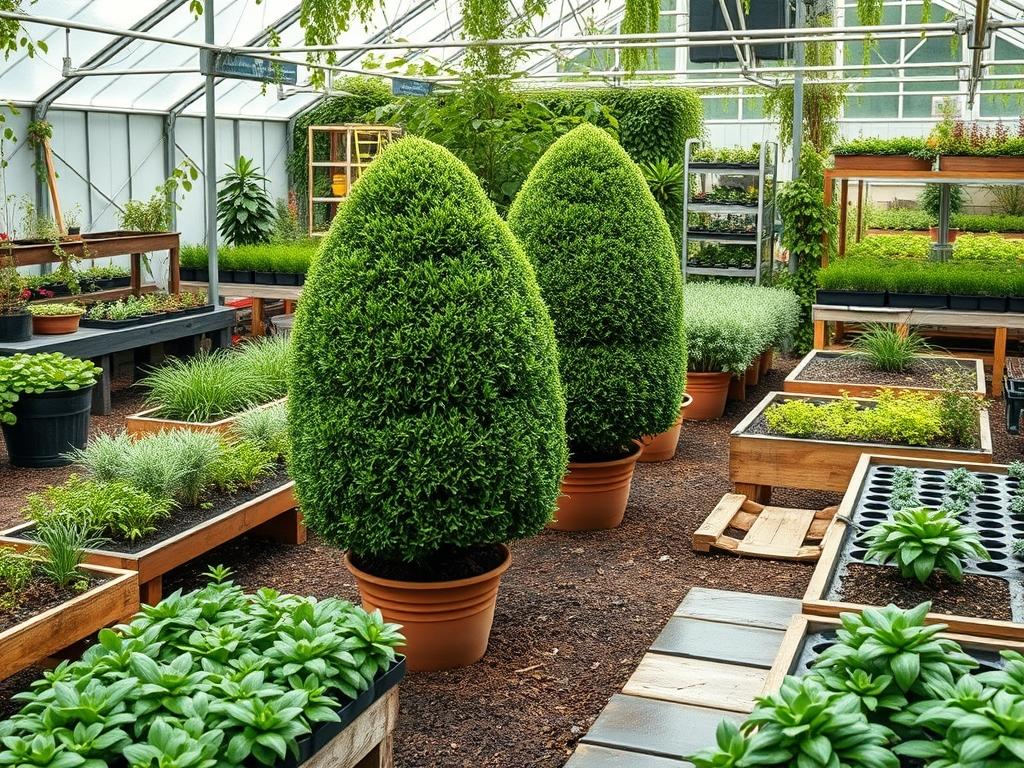
The architectural weight of a landscape often rests upon its structural evergreens; among these, the genus Buxus stands as the premier choice for professional designers. Boxwood topiary shaping provides a unique opportunity to bridge the gap between static hardscaping and fluid botanical growth. While many homeowners view these plants as simple hedges, a senior landscape … Read more
The Best Methods for Sharpening Pruning Saws for Effortless Cuts

Sharpening Pruning Saws

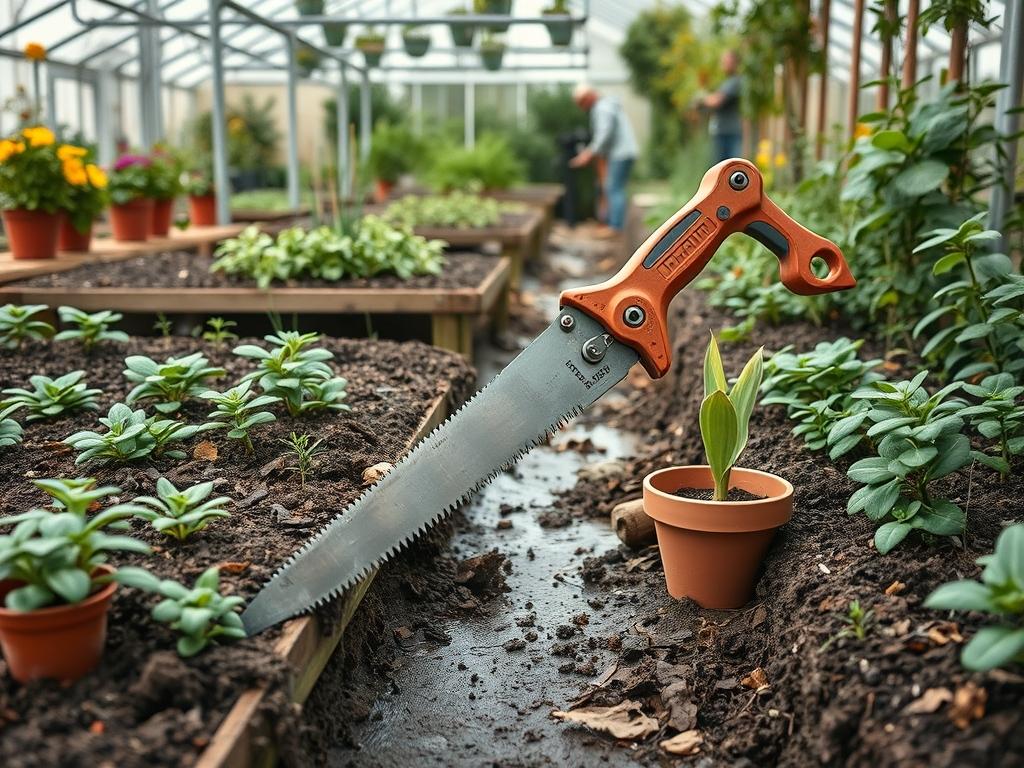
Maintaining the architectural integrity of a high-end landscape requires more than just a creative eye and a high-quality irrigation system. It demands a rigorous commitment to tool maintenance, specifically regarding the implements used to shape the living components of the design. When a landscape architect specifies a Quercus virginiana or a series of Carpinus betulus … Read more

Why Pruning Wisteria Vines Twice a Year is Essential for Flowering

Pruning Wisteria Vines

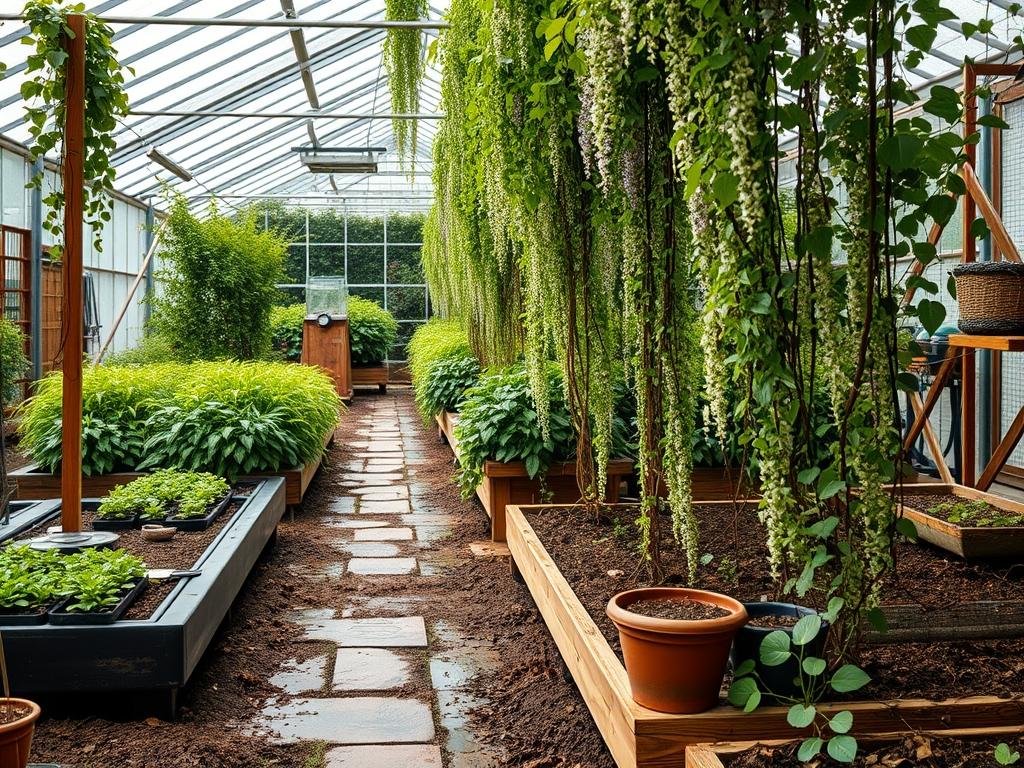
Wisteria is perhaps the most captivating and yet most frustrating specimen in the professional landscape architect’s repertoire. Its cascading racemes of lavender, white, or blue flowers create an unparalleled romantic aesthetic, often serving as the primary focal point of a luxury outdoor environment. However, the botanical reality of this woody climber is one of aggressive … Read more

Safety First: How to Master The Three-Cut Method for Heavy Limbs

The Three-Cut Method

Maintaining the structural integrity of a mature landscape requires more than just aesthetic intuition; it demands a rigorous adherence to arboricultural standards. Large, established trees often serve as the cornerstone of property value, providing the essential vertical scale that anchors a home within its environment. However, when heavy limbs become diseased, storm-damaged, or overgrown, they … Read more

How and When to Handle Pruning Hydrangea Paniculata for Big Flowers

Pruning Hydrangea Paniculata

Achieving massive, architectural blooms on Hydrangea paniculata represents one of the most rewarding challenges for a landscape professional. Unlike their finicky mophead cousins, panicle hydrangeas are the workhorses of the northern and temperate landscape. They offer a structural elegance that enhances curb appeal and defines outdoor living spaces from midsummer through the first hard frost. … Read more

Expert Guide to Deadheading Summer Roses for Continuous Blooms

Deadheading Summer Roses

Maintaining a high-performing residential landscape requires a keen understanding of plant physiology and aesthetic longevity. Roses often serve as the structural anchor of a formal or cottage-style garden, providing the saturated colors and textures that define high-end curb appeal. However, as the heat of mid-summer intensifies, many rose cultivars begin to divert their metabolic energy … Read more

Why Sanitizing Pruning Shears is the #1 Way to Stop Garden Disease

Sanitizing Pruning Shears

The structural integrity of a high end landscape depends as much on biological security as it does on mechanical engineering. When a homeowner invests in a sophisticated outdoor environment, the focus often centers on the hardscaping, the choice of Natural Stone, and the architectural lighting. However, the longevity of these living investments is frequently compromised … Read more

The Ultimate Guide to Pruning Apple Trees for Maximum Fruit Yield

Pruning Apple Trees

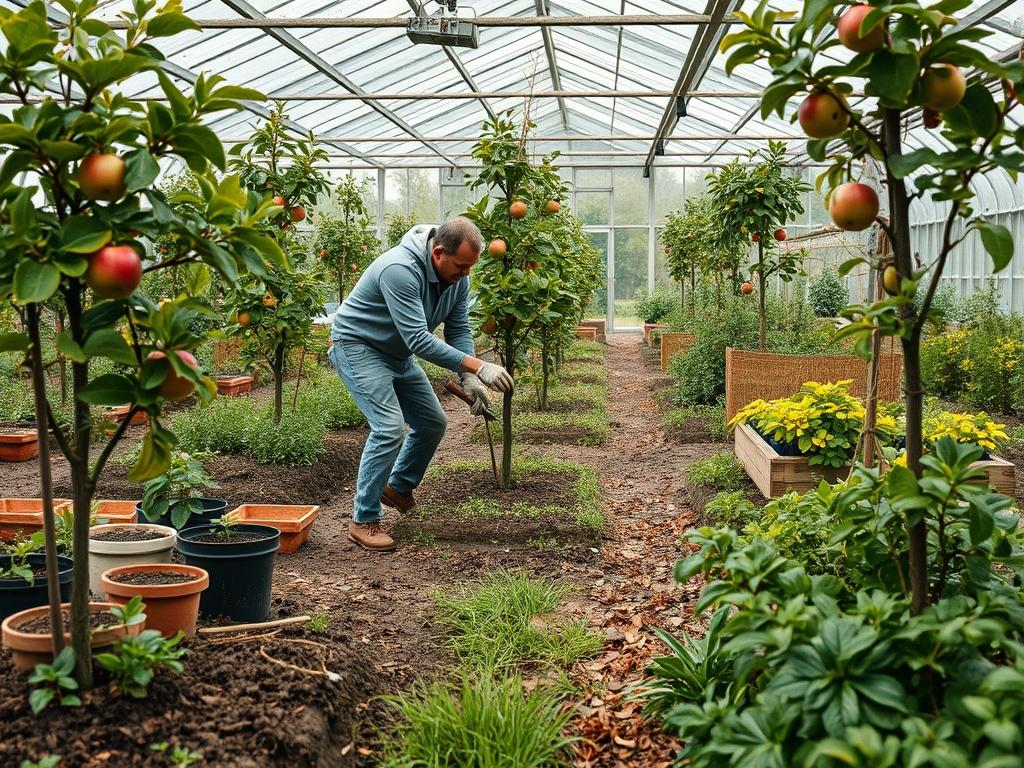
Cultivating a productive orchard within a residential landscape requires a delicate balance between aesthetic architectural goals and the biological demands of the species. An apple tree is more than a source of fruit; it serves as a structural anchor that defines the character of a backyard. When properly managed, these trees improve curb appeal through … Read more

Understanding the Difference: Thinning vs Heading Cuts for Plant Health

Thinning vs Heading Cuts

Maintaining a sophisticated landscape requires a deep understanding of how woody plants respond to structural intervention. When we approach a specimen, we are not merely removing biomass; we are redirecting the biological energy of the organism to satisfy specific aesthetic and functional goals. The primary challenge in modern landscape design is balancing the desire for … Read more