
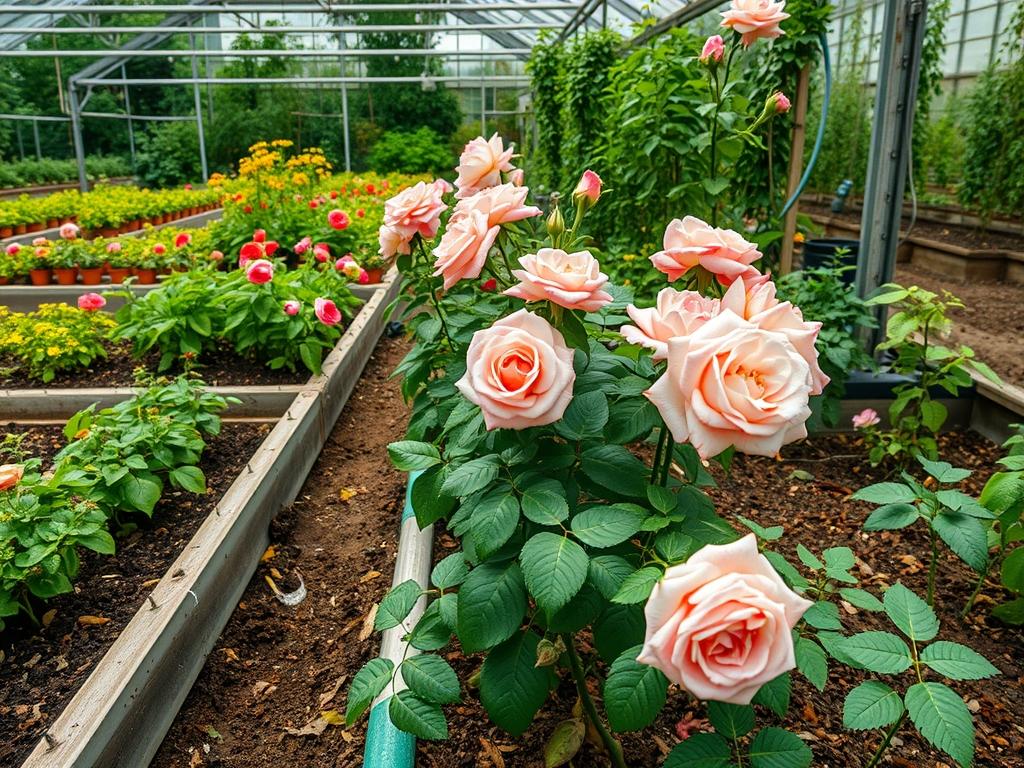
Maintaining a high-performing residential landscape requires a keen understanding of plant physiology and aesthetic longevity. Roses often serve as the structural anchor of a formal or cottage-style garden, providing the saturated colors and textures that define high-end curb appeal. However, as the heat of mid-summer intensifies, many rose cultivars begin to divert their metabolic energy away from flower production and toward the development of seed pods, technically known as hips. This transition can lead to a significant decline in visual impact, leaving the landscape looking tired and overgrown during the peak of the outdoor living season. For the landscape architect, the strategy for Deadheading Summer Roses is not merely a task of aesthetic grooming; it is a vital intervention designed to manipulate the hormonal balance of the plant, forcing it to prioritize new vegetative growth and subsequent floral buds. By removing spent blooms, we ensure the garden remains a vibrant focal point rather than a fading relic of the spring flush.
Effective garden planning takes into account the climate-specific stressors that affect rose health, such as humidity-driven fungal pathogens and high-temperature transpiration rates. In professional landscape management, we view the garden as a dynamic system where every pruning cut influences the airflow and light penetration for the rest of the season. Strategic deadheading promotes a continuous bloom cycle that enhances the functionality of outdoor spaces, ensuring that terraces, patios, and walkways are flanked by lush, healthy foliage. This level of maintenance is essential for preserving the “newly installed” look that homeowners desire. When a rose bush is left to go to seed, the plant enters a period of dormancy-like exhaustion. By intervening with professional-grade Bypass Pruners, we maintain the structural integrity of the shrub, preventing it from becoming leggy or sparse at the base.
Landscape Design Principles
In the realm of landscape architecture, roses are utilized for their versatility in creating symmetry and providing elevation layers within a multi-dimensional garden. A well-designed rose garden uses focal points to guide the eye across the property, often positioning Hybrid Tea Roses or Grandiflora Roses at the terminal end of a primary walkway. The principle of symmetry is best achieved by planting repetitive clusters of the same cultivar, which creates a cohesive color story. When deadheading, it is crucial to maintain the height consistency among these clusters to preserve the formal balance of the design. If one side of a symmetrical planting is pruned more aggressively than the other, the visual equilibrium of the landscape is disrupted.
Elevation layers are another critical consideration. We often specify low-growing Drift Roses or Groundcover Roses for the foreground of a flower bed, while taller Shrub Roses occupy the mid-ground. This layering ensures that the landscape remains visually interesting even when viewed from a distance. During the deadheading process, the landscape professional must be mindful of these layers. Removing too much height from a mid-ground specimen can create a “hole” in the vertical composition of the garden. Furthermore, rose beds must be integrated with the broader irrigation planning of the site. Since roses require consistent moisture but are susceptible to foliage diseases, smart irrigation systems utilizing Drip Emitters or Netafim Tubing are preferred. Deadheading sessions provide an excellent opportunity to inspect these systems and ensure that emitters are not clogged or misplaced, maintaining the health of the root zone.
Plant and Material Selection
The following table outlines the specific requirements for common rose types used in high-end landscape installations. Selecting the right species for the specific microclimate of a site is the first step toward a successful long-term maintenance plan.
| Plant Type | Sun Exposure | Soil Needs | Water Demand | Growth Speed | Maintenance Level |
| :— | :— | :— | :— | :— | :— |
| Hybrid Tea | Full Sun (6+ hours) | Well-drained, Rich Loam | High (2 inches/week) | Medium | High |
| Floribunda | Full Sun | Loamy with Organic Matter | Moderate | Fast | Medium |
| Shrub Roses | Full Sun to Part Shade | Adaptable/Clay Tolerant | Moderate | Very Fast | Low |
| Climbing Roses | Full Sun | Deep, Fertile Soil | High | Fast | High |
| Knock Out Roses | Full Sun to Part Shade | Standard Garden Soil | Low to Moderate | Fast | Very Low |
| Miniature Roses | Full Sun | Highly Aerated Mix | Moderate | Medium | Medium |
Implementation Strategy
The process of implementing a successful rose program begins with the physical layout of the backyard or garden. Proper grading is the foundation of rose health; the soil must slope away from the primary root ball at a rate of 1 to 2 percent to prevent water from pooling at the crown. When installing a new rose garden, we recommend a minimum Mulch depth of 3 inches using Triple-Shredded Hardwood Mulch or Pine Bark Nuggets. This layer suppresses weeds and regulates soil temperature during the intense summer heat, which reduces the stress on the plant during the deadheading cycle.
To deadhead properly, locate the first set of five leaflets on the stem below the spent flower. Using a pair of sharpened Bypass Pruners, make a clean cut at a 45-degree angle approximately 1/4 inch above the leaf axil. This angle is vital as it prevents water from sitting on the cut surface, which could otherwise invite rot or disease. For Climbing Roses, the strategy shifts slightly. You should focus on removing the spent flower clusters while leaving the long structural canes intact, as these provide the vertical framework for the landscape. Edging is another critical component of the implementation strategy. A clean, spade-cut edge or a Steel Edging strip creates a professional demarcation between the lawn and the rose bed, preventing invasive turf grasses from competing with the roses for nutrients.
Common Landscaping Failures
One of the most frequent mistakes in rose management is improper spacing leading to root overcrowding. When roses are planted too closely together, they compete for the same pool of micronutrients, such as Iron, Magnesium, and Boron. This competition weakens the plants, making them more susceptible to Black Spot and Powdery Mildew. Landscape architects must calculate the mature spread of each cultivar to ensure adequate airflow. If the interior of the shrub remains damp due to overcrowding, fungal spores will thrive, leading to premature defoliation.
Another common failure involves irrigation inefficiencies. Overhead spraying is the enemy of the rose; it keeps the foliage wet for extended periods, which is an open invitation for pathogens. Professionals prefer Sub-surface Irrigation to deliver water directly to the soil. Furthermore, soil compaction is often overlooked. In high-traffic areas or new construction sites, the soil is often pressed so tightly that oxygen cannot reach the roots. Roses require highly aerated soil to thrive. If you notice stunted growth and yellowing leaves, it may be time to incorporate Expanded Shale or Coarse Sand into the soil profile to improve drainage and aeration.
Seasonal Maintenance
Landscape management is a year-round commitment that changes with the transit of the sun. In the Spring, the focus is on hard pruning and the application of a high-quality Slow-Release Fertilizer with a balanced N-P-K ratio (Nitrogen-Phosphorus-Potassium). This provides the initial burst of energy needed for the first bloom cycle. As we move into Summer, the primary task becomes Deadheading Summer Roses. Regular inspections every 7 to 10 days are necessary to remove spent blooms and monitor for pests like Japanese Beetles or Aphids.
During the Autumn, deadheading should gradually scale back. Allowing a few hips to form toward the end of the season signals to the plant that it is time to prepare for dormancy. This is also the best time to apply a top-dressing of Compost to replenish the organic matter in the soil. In Winter, maintenance shifts to structural protection. In colder climates, we recommend mounding soil around the base of the plant or using Burlap Wraps to protect sensitive grafted unions from freeze-thaw cycles. Keeping the rose bed clear of fallen debris during the winter is also essential to prevent disease spores from overwintering in the soil.
Professional Landscaping FAQ
How far down should I cut when deadheading?
Always cut back to the first set of five leaflets. This point on the stem is hormonally programmed to produce a new, strong flowering shoot. Cutting higher, near three-leaflet clusters, often results in weak, spindly growth that cannot support heavy blooms.
What tools are best for professional rose care?
High-quality Bypass Pruners are essential for clean cuts that heal quickly. Avoid anvil pruners, as they tend to crush the delicate vascular tissue of the rose stem. Additionally, wearing thick Leather Gauntlet Gloves protects your forearms from thorns during deep interior pruning.
Can deadheading improve the health of diseased roses?
Yes, removing spent blooms and the associated stems improves airflow throughout the canopy. By thinning out the center of the plant during the deadheading process, you lower the humidity levels around the foliage, which significantly reduces the spread of fungal pathogens.
How does mulch depth affect summer blooming?
Maintaining a 3-inch layer of mulch is critical. It keeps the root system cool and retains soil moisture. If the roots overheat or dry out, the rose will enter a survival mode, dropping its buds and ceasing flower production regardless of deadheading.
Is it necessary to fertilize after deadheading?
Applying a light dose of Water-Soluble Fertilizer after a heavy round of deadheading can provide the immediate nitrogen boost needed for new growth. This ensures the next flush of roses is just as vigorous and colorful as the first spring bloom.