
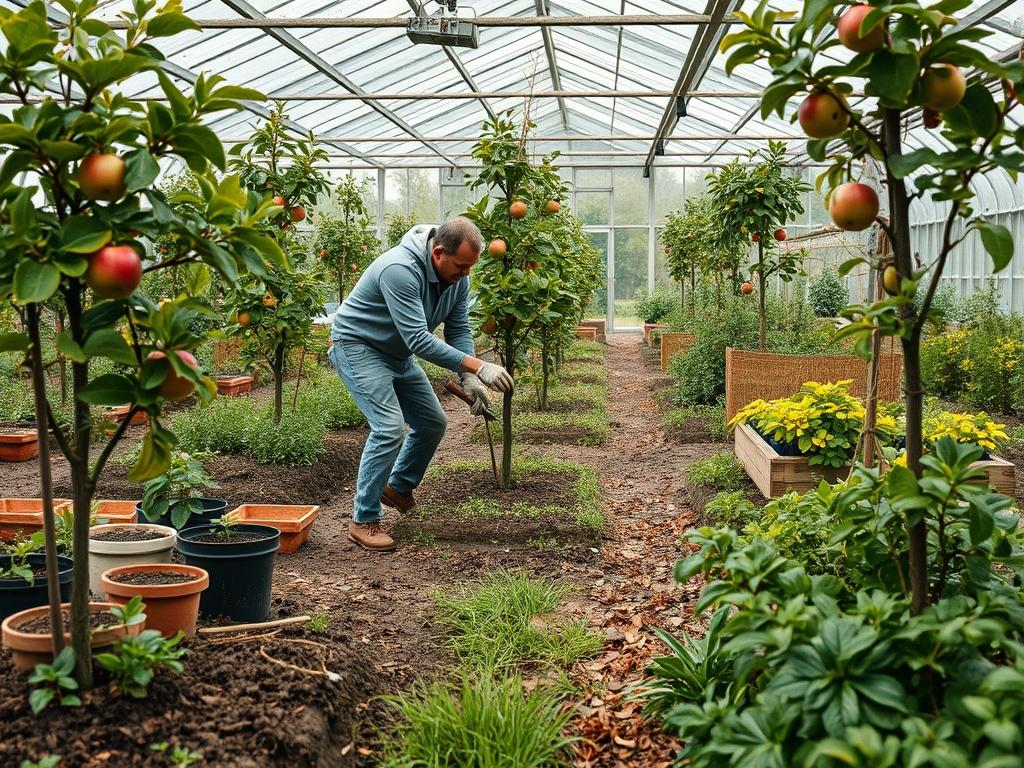
Cultivating a productive orchard within a residential landscape requires a delicate balance between aesthetic architectural goals and the biological demands of the species. An apple tree is more than a source of fruit; it serves as a structural anchor that defines the character of a backyard. When properly managed, these trees improve curb appeal through dramatic spring blossoms and a skeletal framework that provides visual interest even in the depths of winter. However, many homeowners struggle with the transition from a decorative sapling to a high-yield fruit producer. The challenge lies in understanding that pruning is not merely a cleanup task, but a corrective surgical process that redirects the energy of the plant toward fruit production rather than excessive vegetative growth. In most temperate climates, managing the canopy density is essential for preventing fungal diseases and ensuring that every branch receives the solar radiation necessary for photosynthesis and sugar development in the fruit.
Landscape Design Principles
Integrating fruit trees into a modern landscape requires a keen eye for symmetry and focal points. A well-placed Honeycrisp or Fuji apple tree can serve as a primary specimen in a garden bed, provided the surrounding elevation layers are calculated to allow for sufficient airflow. In professional landscape design, we often utilize the concept of the “edible landscape,” where functionality meets form. When planning the site, consider the tree’s ultimate height and spread. A standard apple tree can reach 25 feet, while dwarf varieties might only reach 8 to 10 feet. This height variance dictates how you should layer your plantings. Lower-growing shrubs or perennials should be placed at the perimeter to avoid competing for sunlight.
Symmetry is often achieved through the use of espalier techniques, where apple trees are trained to grow flat against a fence or a structural wall. This method is particularly effective for narrow walkways or alongside retaining walls where space is limited but visual impact is desired. Irrigation planning is another critical design pillar. Apple trees require consistent moisture but cannot tolerate “wet feet” or saturated soil. Integrating a dedicated drip line into the overall irrigation layout ensures the tree receives deep hydration without wetting the foliage, which significantly reduces the risk of scab and mildew. Visual balance is maintained by ensuring that the pruning style aligns with the surrounding architecture; a formal garden benefit from a central leader shape, while a rustic, cottage-style landscape may lean toward an open center or “vase” configuration.
Plant and Material Selection
| Plant Type | Sun Exposure | Soil Needs | Water Demand | Growth Speed | Maintenance Level |
| :— | :— | :— | :— | :— | :— |
| Malus domestica (Apple) | Full Sun | Well-drained, Loamy | Moderate/Regular | Medium | High |
| Dwarf Rootstock | Full Sun | Rich in Organic Matter | High during Fruiting | Slow | Medium |
| Creeping Thyme (Cover) | Full Sun | Sandy, Well-drained | Low | Fast | Low |
| Lavender (Companion) | Full Sun | Alkalinic, Gritty | Low | Medium | Medium |
| Marigold (Pest Control) | Full Sun | Varied | Moderate | Fast | Low |
Implementation Strategy
Successful garden layout planning begins with a thorough site analysis and grading. Before the first tree is planted, the land must be assessed for drainage. Apple trees are prone to root rot if they sit in stagnant water, so creating a slight slope or installing a French drain may be necessary in heavy clay environments. Once the site is prepared, the planting hole should be dug twice as wide as the root ball but no deeper than the original container level. This prevents the graft union from touching the soil, which could cause the scion to grow its own roots and negate the benefits of the rootstock.
Once established, the pruning process begins with the right tools. Use bypass pruners for small twigs, loppers for branches up to 1.5 inches in diameter, and a folding hand saw for larger limbs. The primary goal is to remove the “Three Ds”: dead, damaged, and diseased wood. When making a cut, always prune back to a lateral bud or a main branch, leaving a small collar to facilitate healing. Avoid leaving long stubs, as these invite decay. For maximum yield, use “thinning cuts” to remove entire branches at the trunk, which opens the canopy to sunlight. Conversely, “heading cuts” shorten a branch to a specific bud, which encourages localized bushy growth. For orchard health, a mulch depth of 3 to 4 inches of shredded bark or wood chips should be maintained around the base, keeping the material a few inches away from the trunk to prevent bark rot.
Common Landscaping Failures
The most frequent mistake in apple tree management is improper spacing and failing to account for the mature width of the canopy. When trees are planted too close to buildings or one another, airflow is restricted, creating a humid microclimate that encourages pests like aphids and codling moths. Soil compaction is another silent killer. During construction or hardscaping, heavy machinery often compresses the earth around the root zone, suffocating the fine feeder roots that absorb nutrients. Professional landscapers avoid this by installing temporary fencing around the tree’s drip line during any renovation work.
Irrigation failures also contribute to poor yields. Many homeowners rely on overhead sprinklers meant for lawns, which spray water directly onto the apple tree leaves. This practice is a primary cause of fire blight and other bacterial infections. Instead, subsurface irrigation or bubblers are preferred. Furthermore, over-pruning can be just as detrimental as neglect. When more than 25 percent of the canopy is removed in a single season, the tree may respond by producing “water sprouts,” which are vigorous, non-fruiting vertical shoots that drain energy from the plant without providing any fruit or structural benefit. Balancing the removal of old wood with the preservation of fruiting spurs is the key to longevity.
Seasonal Maintenance
Landscape management for apple trees changes significantly with the calendar. In the spring, the focus is on fertilization and monitoring for early pests. Apply a balanced organic fertilizer before the buds break. As the blossoms fade and small fruit begins to form, thinning is required. Remove excess fruit so that only one or two apples remain per cluster, spaced roughly 6 inches apart. This prevents the branches from breaking under the weight and ensures the remaining fruit grows to a substantial size.
Summer maintenance involves monitoring for drought stress and managing the structure through light “summer pruning.” This is the time to remove any water sprouts or suckers emerging from the base of the tree. In autumn, the priority shifts to sanitation. Clear away all fallen fruit and leaves from the base of the tree to remove overwintering sites for pathogens. Finally, winter is the most critical time for structural pruning. While the tree is dormant and the leaves are gone, the “skeleton” of the tree is visible, making it easier to identify crossing branches or narrow crotch angles. This is also when dormant oil should be applied to the bark to kill scale insects and mite eggs before they hatch in the spring.
Professional Landscaping FAQ
How often should I sharpen my pruning tools?
Sharpen your bypass pruners and loppers after every ten hours of use or at the start of every season. Clean blades with isopropyl alcohol between trees to prevent the cross-contamination of diseases like fire blight or apple scab.
What is the best mulch for apple trees?
An organic wood chip or shredded bark mulch is ideal. Apply it to a depth of 3 inches out to the drip line. This suppresses weeds, retains moisture, and slowly adds organic matter to the soil as it decomposes over time.
Can I prune my apple tree in the summer?
Yes, though major structural pruning should be reserved for late winter. Summer pruning is best for removing water sprouts, suckers, or diseased wood. It also helps to slow down overly vigorous trees by removing some of the carbon-producing leaf surface.
Why are my apple tree branches snapping?
Branch breakage usually results from a heavy fruit load or poor crotch angles. Branches with a “V” shape are prone to splitting. Aim for “U” shaped angles of 45 to 60 degrees, which are structurally superior and more resilient.
How do I improve the drainage in heavy clay soil?
Incorporate organic compost into the planting site and consider planting on a slight mound or “berm” raised 6 to 12 inches above the surrounding grade. This allows the root flare to stay dry while the roots descend into the soil.