
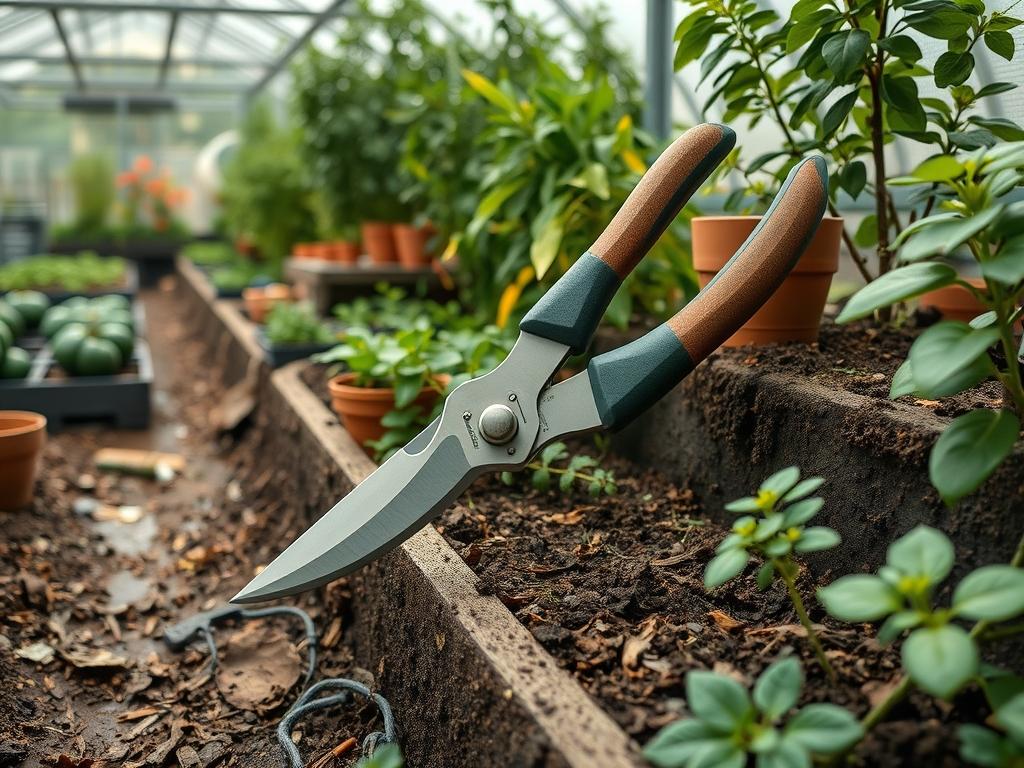
The structural integrity of a high end landscape depends as much on biological security as it does on mechanical engineering. When a homeowner invests in a sophisticated outdoor environment, the focus often centers on the hardscaping, the choice of Natural Stone, and the architectural lighting. However, the longevity of these living investments is frequently compromised by a single, overlooked maintenance error. Pathogen transmission is the silent architect of landscape failure. Every time a professional or a dedicated enthusiast enters a garden with tools, they are potentially carrying a microscopic payload of fungi, bacteria, and viruses. Sanitizing Pruning Shears is not merely a supplemental chore. It is the single most effective intervention for preventing the rapid spread of localized infections that can devastate an entire estate. A landscape that loses its primary focal trees to Dutch Elm Disease or Fire Blight immediately loses its functional purpose and its market value.
Maintaining curb appeal and outdoor functionality requires a proactive rather than reactive approach to plant pathology. We often design landscapes with high density planting to achieve an immediate sense of maturity; however, this creates an environment where air circulation is restricted and humidity is elevated. In such microclimates, the introduction of a pathogen via a contaminated Bypass Pruner or Pruning Saw acts as a catalyst for a systemic epidemic. Once a pathogen enters the vascular system of a woody ornamental through an unsterilized cut, the cost of remediation often exceeds the cost of the original installation. Removing a massive, diseased Oaks or Maple species requires heavy machinery, permits, and significant topographical restoration. Therefore, the simple act of using a 70 percent isopropyl alcohol solution or a 10 percent bleach dip between every single plant is the most important protocol in any professional maintenance schedule.
Landscape Design Principles
In the realm of landscape architecture, symmetry and visual balance provide the subconscious cues that signal a well managed environment. When we design for symmetry, we often place identical specimens on opposite sides of a primary walkway or entryway. If one of these focal points becomes infected with a soil borne or airborne disease due to contaminated tools, the entire visual axis is destroyed. A diseased shrub creates a visual void that cannot be easily filled by a younger, smaller replacement.
Designing with elevation layers is another core principle that enhances the depth of a property. We use Retaining Walls and terracing to create distinct tiers of vegetation. These layers, while aesthetically pleasing, complicate the management of water runoff and disease migration. In a tiered system, an infection in an upper level specimen can easily wash down to lower levels during irrigation or rain. Because gardeners move frequently between these levels, the risk of manual transmission via tools is heightened. Implementing a rigorous sanitation station at the transition between different landscape zones ensures that the biological integrity of each elevation is preserved.
Focal points, such as a mature Japanese Maple or a specimen European Beech, serve as the anchors of a landscape plan. These trees are often the most expensive elements of the softscaping. Protecting them requires more than just proper Irrigation and Mulching. It requires an understanding that every prune is an open invitation to infection. We advocate for a “clean-in, clean-out” policy for every contractor on site. This ensures that the focal points remain healthy for decades, providing the necessary scale and shade that define the outdoor living experience.
Plant and Material Selection
| Plant Type | Sun Exposure | Soil Needs | Water Demand | Growth Speed | Maintenance Level |
| :— | :— | :— | :— | :— | :— |
| English Boxwood | Part Sun | Well-drained | Moderate | Slow | High |
| Emerald Green Arborvitae | Full Sun | Loamy | Moderate | Medium | Low |
| Southern Magnolia | Full Sun | Acidic | High | Slow | Medium |
| Panic Grass | Full Sun | Any | Low | Fast | Low |
| Japanese Forest Grass | Shade | Moist/Organic | High | Slow | Medium |
| Hydrangea Macrophylla | Part Shade | Rich/Moist | High | Fast | Medium |
Implementation Strategy
The successful implementation of a garden layout begins with a technical assessment of the site’s Grading and Drainage. Before any plant goes into the ground, the soil must be shaped to move water away from structures and sensitive root zones. This prevents the standing water that often serves as a breeding ground for fungal spores. Once the skeleton of the garden, including Steel Edging and Paver Walkways, is installed, the planting process begins. Each plant should be spaced according to its mature width, not its size at the time of purchase. Overcrowding is a primary driver of disease, as it prevents the foliage from drying out after a rain event.
During the installation phase, we recommend applying a 3 inch layer of organic mulch, such as shredded cedar or pine bark. This mulch serves multiple purposes: it retains moisture, regulates soil temperature, and provides a physical barrier between the soil and the plant’s lower leaves. This is critical because many pathogens live in the soil and are splashed onto the plant during heavy storms. When it comes time to shape these plants for their first season, the use of Sanitizing Pruning Shears is mandatory. We advise installers to carry a portable container of disinfectant specifically for this purpose.
Hardscaping elements like French Drains and Catch Basins must be integrated into the layout to manage the subterranean flow of water. If the soil remains saturated, the roots of the plants become stressed and more susceptible to infections. A stressed plant cannot heal efficiently from pruning wounds, making it even more vital that those wounds are made with clean, sharp tools. By combining mechanical drainage solutions with sterile horticultural practices, we create a resilient ecosystem that can withstand various environmental pressures.
Common Landscaping Failures
The most frequent failure we encounter in the field is improper drainage. When water accumulates around the root flare of a tree, it causes hypoxic conditions that lead to root rot. However, even with perfect drainage, landscapes fail due to poor hygiene. Gardeners often prune out a dead branch from a Rose bush infected with black spot and then immediately move to prune a nearby Viburnum without cleaning their blades. This direct inoculation is responsible for more plant loss than pests or weather extremes.
Another common error is soil compaction. During the construction of Outdoor Kitchens or Swimming Pools, heavy equipment often traverses the root zones of existing trees. This compresses the pore space in the soil, killing the fine feeder roots. When these stressed trees are later pruned to “clean up” the canopy, the introduction of pathogens via dirty tools is often the final blow that kills the specimen. Furthermore, irrigation inefficiencies, such as overhead sprinklers that wet the foliage in the evening, exacerbate the spread of diseases that have been introduced by unsterilized equipment. We emphasize that a landscape must be viewed as a single, interconnected organism. A failure in one area, whether it is a mechanical failure in the Irrigation Controller or a procedural failure in tool sanitation, will eventually affect the entire system.
Seasonal Maintenance
Seasonal management is the key to a thriving environment. In the Spring, the focus is on removing winter dieback. This is a high risk time for disease transmission because many pathogens become active as temperatures rise. Tools must be sanitized after every cut on any branch showing signs of canker or discoloration. Summer maintenance involves deadheading spent blooms and thin-leaf pruning to improve air circulation. With the high humidity of summer, the risk of powdery mildew and rust is at its peak. Sterilizing tools prevents these common issues from becoming systemic.
When Autumn arrives, the priority shifts to sanitation through debris removal. Falling leaves can harbor pathogens over the winter, so they should be raked and removed from the site. This is also the time for structural pruning of deciduous trees. Because the sap is slowing down, the wounds will not heal until spring, leaving them open to infection for months. Using Sanitizing Pruning Shears during this dormant season is the best way to ensure that the tree wakes up healthy in the spring. Finally, during Winter, we focus on tool maintenance. This is the time to sharpen blades and deep clean all equipment. A sharp blade creates a clean, smooth cut that the plant can callus over much faster than a jagged, crushed wound caused by dull, dirty loppers.
Professional Landscaping FAQ
Why is alcohol better than bleach for sanitizing tools?
Bleach is highly corrosive and can pit the metal of your Pruning Shears, creating crevices where bacteria hide. Alcohol is non-corrosive, evaporates quickly, and effectively kills most plant pathogens on contact without damaging the structural integrity of your tools.
How often should I sanitize my shears during a pruning session?
You should sanitize your tools after every single cut if the plant shows signs of disease. For healthy plants, sanitize between each individual specimen to prevent the invisible spread of pathogens that may not yet show visible symptoms in the canopy.
Can I use household disinfectant wipes on my landscaping tools?
Yes, most household disinfectant wipes that contain at least 70 percent alcohol or specific quaternary ammonium compounds are effective. They are convenient for field use, though you must ensure the surface of the blade stays wet for the recommended contact time.
What is the impact of unsterilized tools on a new landscape?
Using unsterilized tools can introduce fatal diseases to newly installed, expensive specimens. This leads to immediate decline, forcing costly removals and replacements that disrupt the design’s maturity and symmetry while potentially contaminating the soil for future plantings in that area.
Does sharpening my shears help prevent garden disease?
Yes, because sharp shears create clean, precise wounds. Ragged cuts made by dull blades increase the surface area of the wound and crush the plant tissue. This prevents rapid callusing and leaves the plant vulnerable to infections for a longer period.