
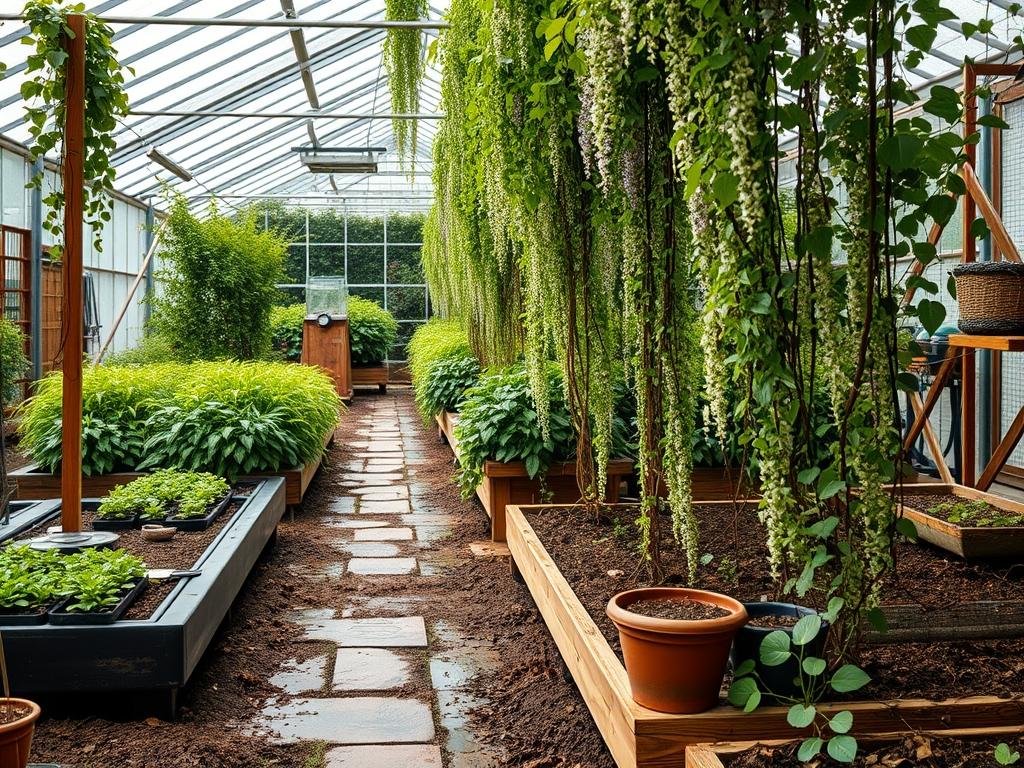
Wisteria is perhaps the most captivating and yet most frustrating specimen in the professional landscape architect’s repertoire. Its cascading racemes of lavender, white, or blue flowers create an unparalleled romantic aesthetic, often serving as the primary focal point of a luxury outdoor environment. However, the botanical reality of this woody climber is one of aggressive growth and structural intensity. Without a rigorous pruning schedule, a wisteria vine quickly transitions from a graceful architectural highlight into a chaotic, leafy mass that threatens the integrity of pergolas and obscures the very blooms homeowners desire. Achieving that iconic, heavy bloom requires more than just high-quality soil or proper sun exposure; it demands a biannual commitment to strategic intervention.
The challenge in modern landscaping lies in balancing the vigorous vegetative growth of Wisteria sinensis or Wisteria floribunda with the physiological requirements for flower bud development. Many property owners overlook the fact that wisteria blooms on old wood. If the vine is left to its own devices, it spends its energy on long, “whippy” green shoots that search for new territory. By pruning twice a year, specifically in late summer and late winter, we manipulate the plant’s hormonal balance. This process redirects energy away from sprawling vines and into the formation of short, flowering spurs. From a curb appeal perspective, a well-maintained wisteria signifies a high level of horticultural care, elevating the perceived value and sophistication of the entire property. In climates where spring frosts are a concern, this structural management also ensures that the most productive buds are protected within the inner framework of the plant.
Landscape Design Principles
Integrating wisteria into a professional landscape design requires a deep understanding of symmetry and focal points. Because wisteria is so visually dominant during its blooming period, it must be positioned where it can command attention without overwhelming the surrounding elevation layers. We often use it to verticalize a space, drawing the eye upward from ground-level perennials to the mid-tonal greens of the garden and finally to the architectural canopy. Visual balance is achieved by pairing the heavy, soft texture of the blooms with rigid hardscape elements like Stone Masonry or Cast Iron.
Symmetry is particularly important when wisteria is used to frame a transition point, such as a garden gate or a walkway. The vine must be trained as a “standard” or along a twin-pillar system to maintain equilibrium. Irrigation planning is also a vital design principle here; wisteria requires consistent moisture during its establishment phase but needs excellent drainage to prevent root rot. We often design specific Grading patterns around the base of the vine to ensure water moves away from the primary trunk while reaching the radial root system. By treating the vine as a living architectural element rather than just a plant, we create a sense of permanence and intention in the outdoor living space.
Plant and Material Selection
| Plant Type | Sun Exposure | Soil Needs | Water Demand | Growth Speed | Maintenance Level |
| :— | :— | :— | :— | :— | :— |
| Wisteria sinensis (Chinese) | Full Sun | Well-drained, fertile | Moderate | Fast | Very High |
| Wisteria floribunda (Japanese) | Full Sun | Loamy, acidic | Moderate | Moderate | High |
| Wisteria macrostachya (Kentucky) | Full Sun/Part Shade | Moist, rich | High | Moderate | Medium |
| Hydrangea anomala (Climbing) | Part Shade | Rich, moist | High | Slow | Low |
| Trachelospermum jasminoides | Full Sun to Shade | Well-drained | Low | Moderate | Medium |
Implementation Strategy
The implementation of a wisteria-centric landscape begins long before the first shovel hits the dirt. We start with Site Grading to ensure that the foundation for any supporting structure is stable and dry. Because a mature wisteria can weigh several hundred pounds, especially after a rainstorm, the supporting Pergola or Arbor must be constructed from heavy-duty materials such as Pressure-treated timber or Powder-coated steel. Traditional lattice is rarely sufficient for the long-term torque exerted by twisting wisteria trunks.
Once the hardscaping is secure, the planting hole should be twice the width of the root ball. We incorporate Organic Compost to a depth of 12 inches to provide a nutrient-rich start. The first pruning phase occurs in July or August. During this summer session, we cut back the long, green, whippy shoots of the current year’s growth to about 6 inches, leaving only about five or six leaves. This allows light and air to reach the interior of the plant, which is essential for ripening the wood. In the second phase, during January or February, we return to those same shoots and prune them back further to two or three buds. This concentrated pruning creates the “spurs” that will produce the heavy clusters of flowers in the spring. Finally, a layer of Hardwood Mulch is applied at a depth of 3 inches, keeping the root zone cool and suppressing competition from weeds.
Common Landscaping Failures
One of the most frequent errors in wisteria management is the “Nitrogen Trap.” Homeowners often apply high-nitrogen lawn fertilizers near the base of the vine, which encourages excessive leaf production at the expense of flowers. This results in a lush green monster that never blooms. Another common failure is improper spacing. Wisteria is an apex grower; it will find its way under roof shingles or into gutter systems if planted too close to the home’s primary structure. Always maintain a minimum gap of 3 feet between the main trunk and any residential siding.
Drainage mistakes also plague many installations. If the wisteria is planted in a low spot where water collects, the plant will suffer from stunted growth and yellowing leaves. Soil compaction is another silent killer. In high-traffic areas near Walkways or Patios, the soil can become so dense that the roots cannot access oxygen. We solve this by using Aerration techniques or by installing Permeable Pavers nearby. Lastly, many novice gardeners fail to realize that wisteria grown from seed may take up to 20 years to bloom. Professional landscape architects always specify “grafted” specimens or those grown from cuttings to ensure blooming within the first few years.
Seasonal Maintenance
Spring is the season of anticipation. As the buds begin to swell, we monitor for late frosts which can damage the tender racemes. This is the time to check the integrity of the Support Ties and ensure the vine is securely fastened to its structure. Irrigation should be steady but not excessive during this period.
Summer maintenance is defined by the first major prune. As the vine sends out its vigorous searching tendrils, we intervene to maintain the desired shape and size. This is also the best time to inspect for pests like the Wisteria Borer or aphids. If the weather is particularly dry, increasing the frequency of deep-water sessions will prevent terminal wilt.
Autumn is a period of transition and cleanup. As the leaves begin to drop, they create a significant amount of organic debris. It is crucial to clear these leaves from the base of the plant and from nearby Drainage Grates to prevent clogging. We do not fertilize in the autumn, as we want the plant to begin its dormant phase rather than producing new, tender growth that would be killed by winter cold.
Winter is the time for structural correction. With the leaves gone, the “bones” of the vine are revealed. This is when the second prune occurs, shortening the previous summer’s growth to just a few centimeters. It is also the ideal window to perform any major heavy-duty thinning or to repair the Retaining Walls and Trellises that support the plant’s massive weight.
Professional Landscaping FAQ
How old does a wisteria have to be before it starts blooming?
Grafted plants typically bloom within 3 to 5 years. Plants grown from seed can take significantly longer, sometimes decades. To ensure immediate results, always purchase a specimen that is already in flower at the nursery.
Can I grow wisteria over a wooden fence?
It is not recommended. The twisting, “constrictor” nature of wisteria can easily collapse standard wooden fencing. Use a heavy-duty Steel Trellis or a dedicated Timber Pergola with posts set in Concrete Footings for long-term stability.
Why are my wisteria leaves turning yellow in the summer?
This is often a sign of Iron Chlorosis or poor drainage. Check the soil pH to ensure it is slightly acidic. If the soil is too alkaline, the plant cannot absorb essential nutrients, leading to yellowing between the leaf veins.
What is the best tool for pruning wisteria?
A high-quality pair of Bypass Secateurs is essential for small shoots. For thicker, woody stems, use Loppers or a Folding Pruning Saw. Ensure blades are sharpened and sanitized to prevent the spread of botanical diseases between plants.
Does wisteria need a lot of fertilizer?
No. Wisteria is a member of the bean family and can fix its own nitrogen. Avoid high-nitrogen fertilizers. Instead, apply a Sulphate of Potash in early spring to encourage bud formation and enhance the vibrancy of the blooms.