
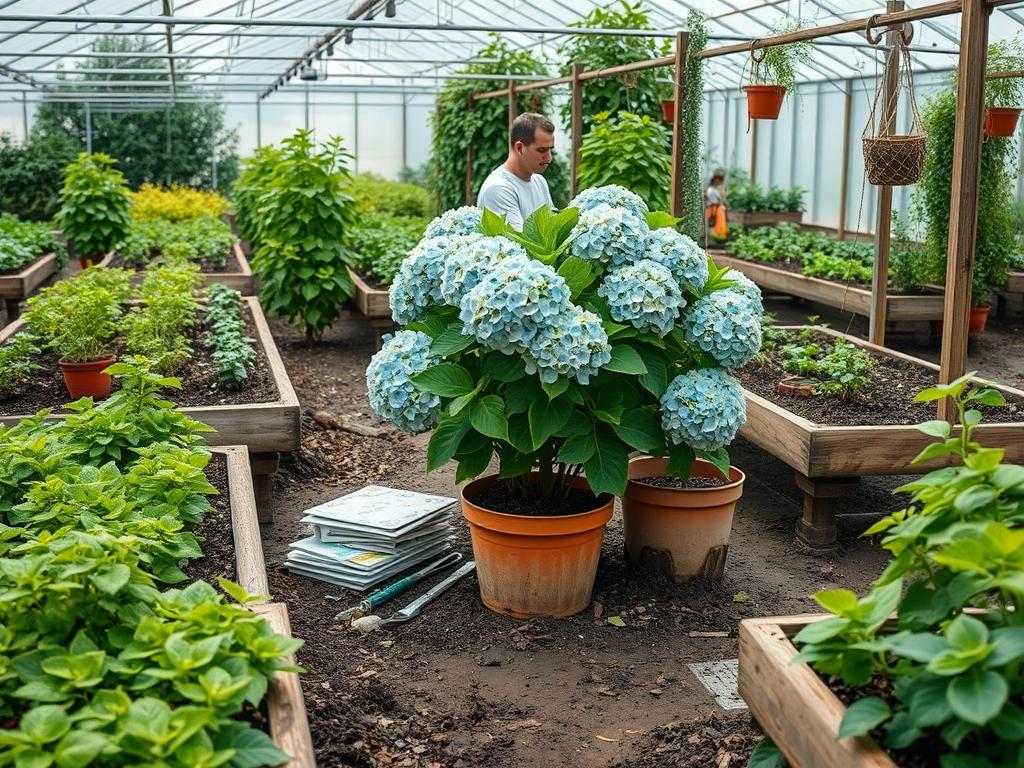
Achieving massive, architectural blooms on Hydrangea paniculata represents one of the most rewarding challenges for a landscape professional. Unlike their finicky mophead cousins, panicle hydrangeas are the workhorses of the northern and temperate landscape. They offer a structural elegance that enhances curb appeal and defines outdoor living spaces from midsummer through the first hard frost. However, without a strategic approach to Pruning Hydrangea paniculata, these shrubs can quickly become leggy or produce underwhelming, small flower clusters. A well-planned pruning regimen does more than just control size; it dictates the size of the flower heads and the strength of the stems that must support them. In a professional landscape, these plants act as focal points that draw the eye toward transition zones, such as the intersection of a formal patio and a naturalized woodland edge. Mastering the timing and technique ensures that the landscape maintains its functional beauty throughout the changing seasons.
The timing of your intervention is dictated by the biological clock of the plant. Because Hydrangea paniculata blooms on new wood, also known as current season growth, the window for pruning opens in late winter or very early spring before the first buds break dormancy. This strategy allows the architect to manipulate the vigor of the plant. When we prune heavily, we signal the root system to funnel all its stored energy into a few select structural branches. This results in the oversized, soccer ball sized panicles that many homeowners desire. Conversely, a lighter approach maintains a larger shrub with more numerous but significantly smaller flowers. Understanding this trade-off is essential for meeting specific client goals regarding privacy screening versus ornamental display.
Landscape Design Principles
Integrating Hydrangea paniculata into a professional site plan requires a keen understanding of symmetry and elevation layers. These shrubs provide a verticality that many other perennials lack, making them ideal for creating mid-level hedges or anchoring the corners of a large property. When designing a focal point, the use of a “standard” or tree-form Hydrangea paniculata ‘Limelight’ can add immediate height and sophistication to an entry walkway. This elevation allows for lower-level plantings, such as Hosta or Pachysandra, to thrive in the filtered light beneath the canopy, creating a layered, multi-dimensional aesthetic.
Symmetry plays a vital role in formal landscape design. Using matched pairs of panicle hydrangeas to flank a transition from a hardscape patio to a lawn creates a sense of intentionality and “outdoor rooms.” The architect must also consider visual balance; a large, blooming hydrangea carries significant visual weight. To counter this, one might use darker evergreen backdrops, such as Taxus or Thuja, which provide a high-contrast canvas for the white and lime-green blooms. Furthermore, irrigation planning must be integrated into the design phase. While these plants are more drought-tolerant than other species, consistent moisture is required to sustain the turgor pressure needed for those heavy, water-filled flower heads. Properly placed drip lines ensure that water reaches the root zone without wetting the foliage, which reduces the risk of fungal pathogens.
Plant and Material Selection
Selecting the right cultivar and high-quality materials is the foundation of a successful pruning and growth strategy. Each variety of Hydrangea paniculata offers different growth habits and final dimensions.
| Plant Type | Sun Exposure | Soil Needs | Water Demand | Growth Speed | Maintenance Level |
| :— | :— | :— | :— | :— | :— |
| Limelight | Full Sun to Part Shade | Loamy, Well-Drained | Moderate | Fast | Medium |
| Little Lime | Full Sun to Part Shade | Rich, Organic | Moderate | Moderate | Low |
| Bobo | Full Sun | Well-Drained, Moist | Moderate | Moderate | Low |
| Pinky Winky | Full Sun to Part Shade | Fertile, Neutral pH | High | Fast | Medium |
| Quick Fire | Full Sun to Part Shade | Adaptable, Moist | Moderate | Fast | Medium |
For the pruning process, professional-grade tools are non-negotiable. A pair of sharp bypass pruners is required for smaller stems, while loppers are necessary for removing older, woody canes that exceed 1 inch in diameter. Using shredded hardwood mulch at a depth of 3 inches will help retain moisture and regulate soil temperature, providing the stable environment these shrubs need to recover from heavy pruning.
Implementation Strategy
The implementation of a pruning plan begins with a structural audit of the shrub in late February or March. First, remove the “three Ds”: dead, damaged, or diseased wood. This opens up the center of the plant to improve airflow, which is critical for preventing powdery mildew during humid summer months. After the initial cleanup, focus on the primary framework. For maximal flower size, cut the previous year’s growth back to two or three buds from the main structural branches. This creates a sturdy base that can support the weight of the massive blooms without sagging toward the ground.
Grading and drainage should be addressed simultaneously with the pruning cycle. Ensure the soil around the base of the plant is graded away from the crown to prevent water from pooling during spring thaws. Adding a layer of finished compost around the drip line provides a slow-release source of nutrients. If the hydrangea is part of a larger backyard layout, check the integrity of nearby retaining walls or edging materials. The heavy snow loads of winter can shift stone or metal borders, and early spring is the ideal time to reset these elements before the hydrangea’s foliage expands and obscures the work area.
Common Landscaping Failures
The most frequent error in Pruning Hydrangea paniculata is improper timing. If a gardener confuses this species with Hydrangea macrophylla, which blooms on old wood, they may prune in the spring and accidentally remove all the flower buds for the year. However, for paniculatas, the “failure” is often a lack of courage. Being too timid with the pruners results in a sprawling, messy shrub with weak stems that flop over after a summer rainstorm. This structural collapse ruins the architectural integrity of the garden design and can lead to broken branches.
Another common failure involves soil compaction and drainage. While these hydrangeas are resilient, they cannot survive “wet feet” in heavy clay soils. If the planting site lacks a percolation rate of at least 1 inch per hour, the roots will suffocate, leading to stunted growth and yellowing leaves. Furthermore, over-mulching, specifically creating “mulch volcanoes” against the bark, can lead to stem rot and provide harbor for rodents that chew on the bark during winter. Always maintain a gap of 2 inches between the mulch and the main stems.
Seasonal Maintenance
Landscape management is a year-round commitment. In Spring, the focus is on the primary pruning and the application of a balanced, slow-release fertilizer. As the new shoots emerge, monitor for aphids or early signs of stress.
During the Summer, irrigation management becomes the priority. Ensure the plants receive at least 1.5 inches of water per week during heat waves. This is also the time to enjoy the blooms. If a stem appears to be leaning too far under the weight of a panicle, temporary staking with bamboo poles can prevent breakage.
In Autumn, the flowers will transition from white or lime to shades of pink and deep burgundy. Many designers choose to leave the dried flower heads on the plant for winter interest. The skeletal structure of the dried panicles looks stunning when dusted with a light snowfall.
Finally, in Winter, the landscape architect should evaluate the overall silhouette of the garden. Use this dormant period to plan the next pruning cycle and order any necessary soil amendments or replacement plants. Protecting the base of young shrubs with a temporary wire mesh cage can prevent deer or rabbits from damaging the bark during the leanest months of the year.
Professional Landscaping FAQ
What is the best time for Pruning Hydrangea paniculata?
Professional timing is late winter or very early spring. You must prune before new leaves appear. This ensures the plant directs its spring energy into producing strong, new flowering wood and larger panicles for the summer display.
Will pruning too hard kill my hydrangea?
No, Hydrangea paniculata is extremely resilient. Cutting the plant back to a height of 12 to 24 inches can actually rejuvenate an old, leggy specimen. It encourages a flush of vigorous growth and results in much larger, dramatic flower heads.
How do I make the stems stronger to avoid flopping?
To increase stem strength, prune back to a sturdy, woody framework every year. By leaving several inches of the previous year’s thickest growth, you create a “staircase” effect that provides the structural integrity needed to hold heavy blooms upright.
Can I prune panicle hydrangeas into a tree shape?
Yes, this is called a “standard.” You select one dominant vertical leader and remove all other stems from the base. Over several seasons, you prune the top of this leader to encourage a rounded, weeping canopy of flowers atop a single trunk.
Why did my hydrangea not bloom this year?
If it is a panicle variety, it almost certainly was not a pruning error. Lack of blooms is usually caused by excessive shade or a lack of water. These plants require at least six hours of direct sunlight to produce their signature large flowers.